



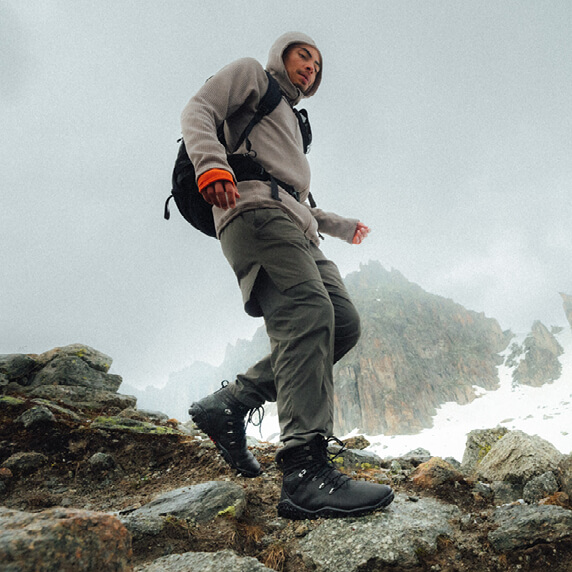
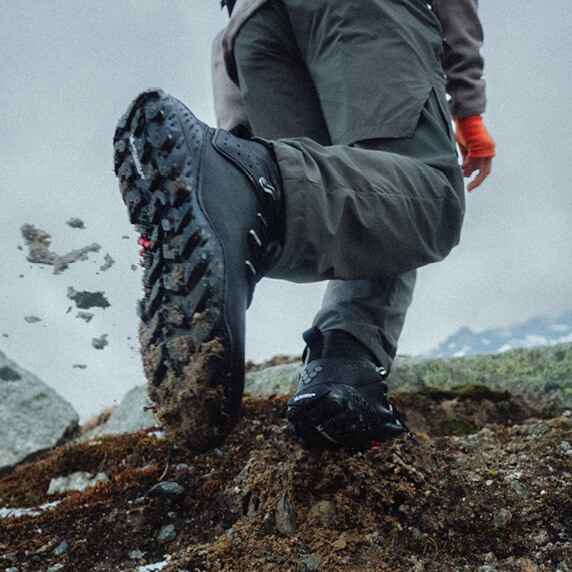
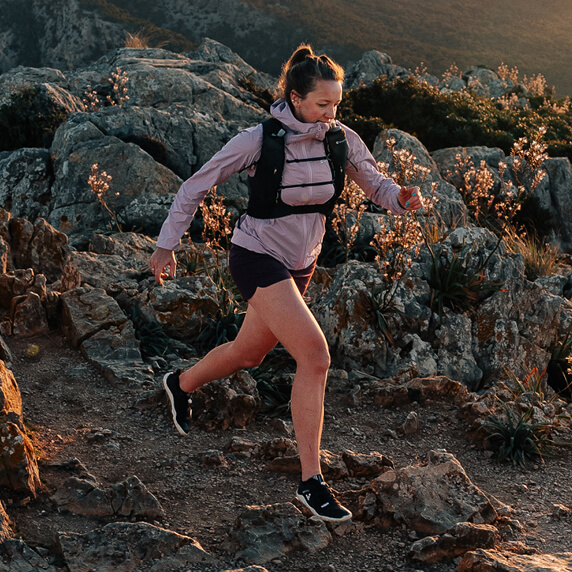
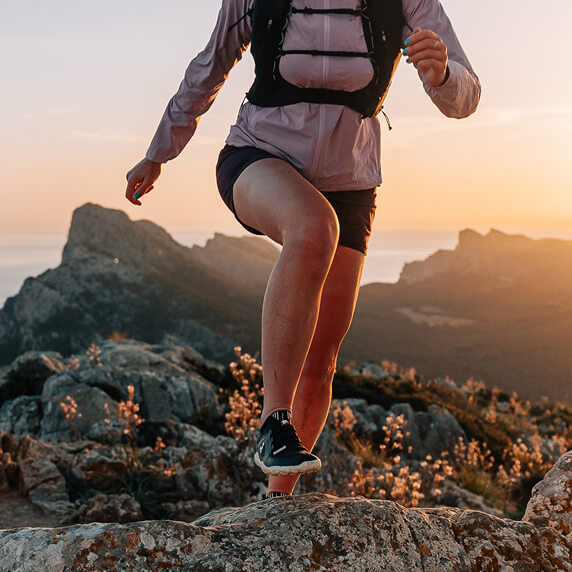

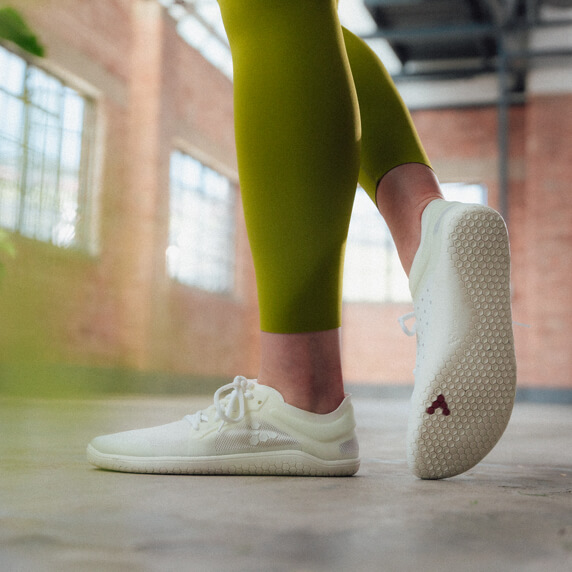


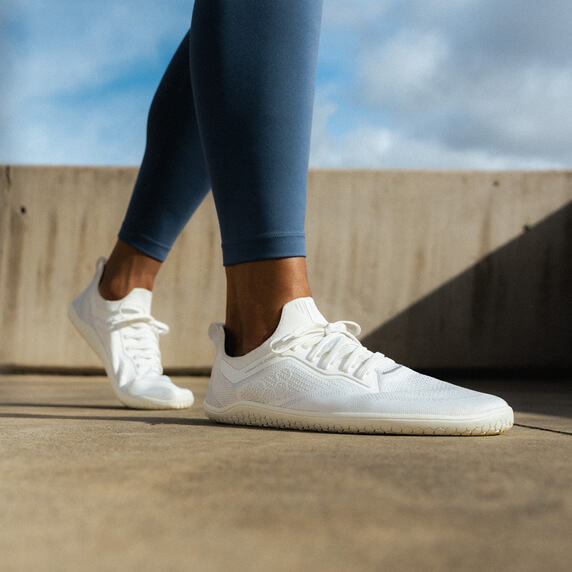

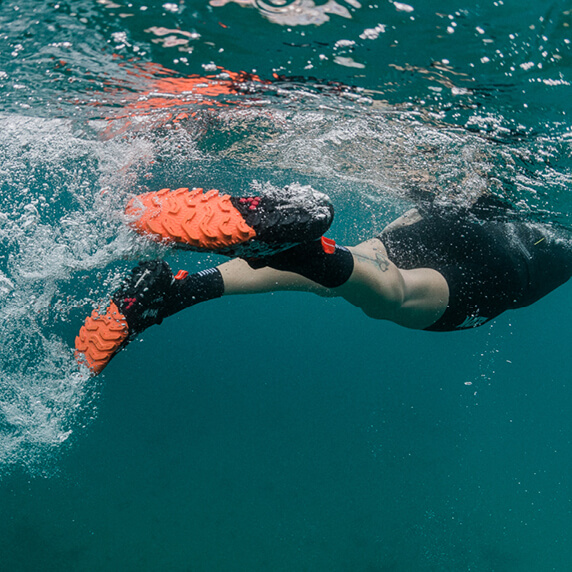
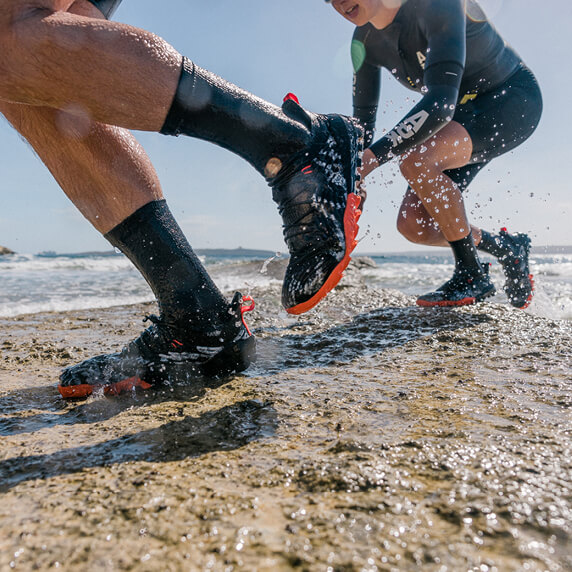
In conversation with ESC designers Jenny Fraser and Lee Kingston-Spiteri, and ESC advisors and Wilderness Skills experts Ben McNutt and Deborah Nickolls, this blog takes you behind the scenes of the uniquely rigorous research and testing process required.


-
 Motus Strength Womens£170.00Road Running / Functional Fitness / Weight + Strength TrainingTraining footwear for strength and durability
 -
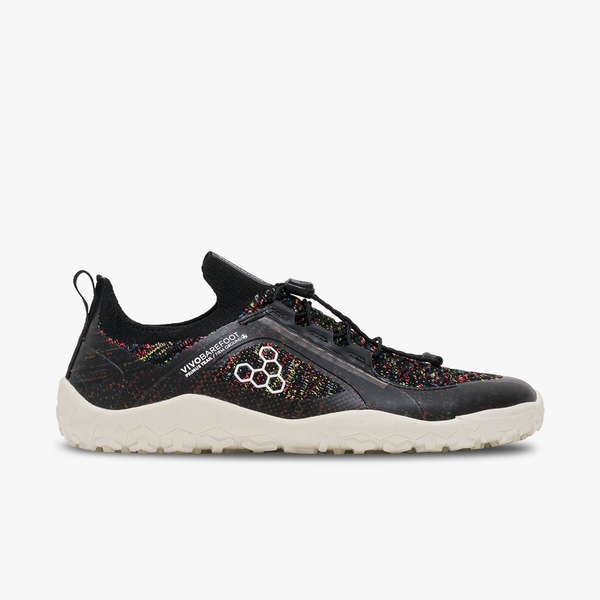 Primus Trail Knit FG Womens£145.00Hiking / Trail Running / Fasthike / Fastpacking / Outdoor LifestyleFor trail runners, ramblers and kindred spirits
 -
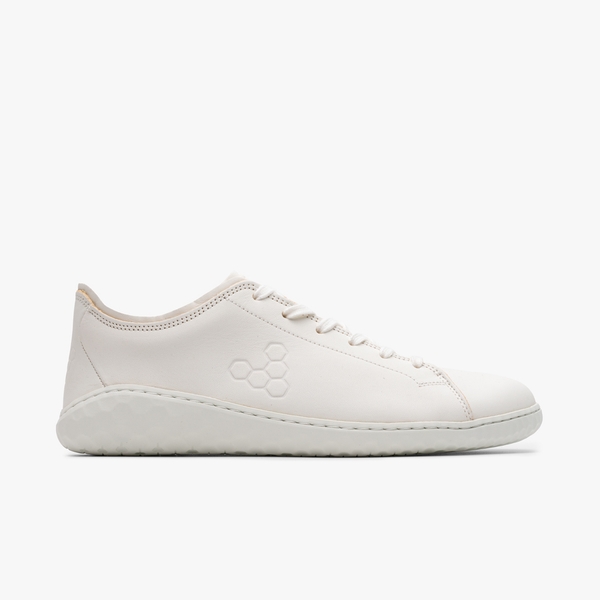 Geo Court III Womens£150.00Everyday / SneakersSoft, premium leather trainers for grounded movement
-
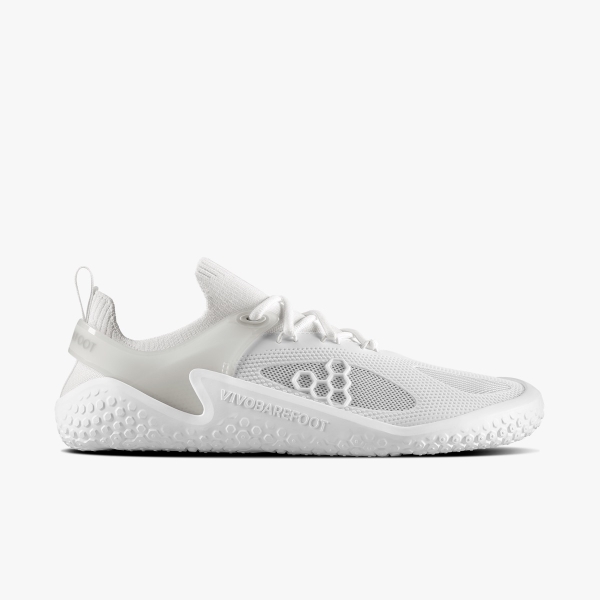 Motus Strength Mens£170.00Road Running / Functional Fitness / Weight + Strength TrainingTraining footwear for strength and durability
 -
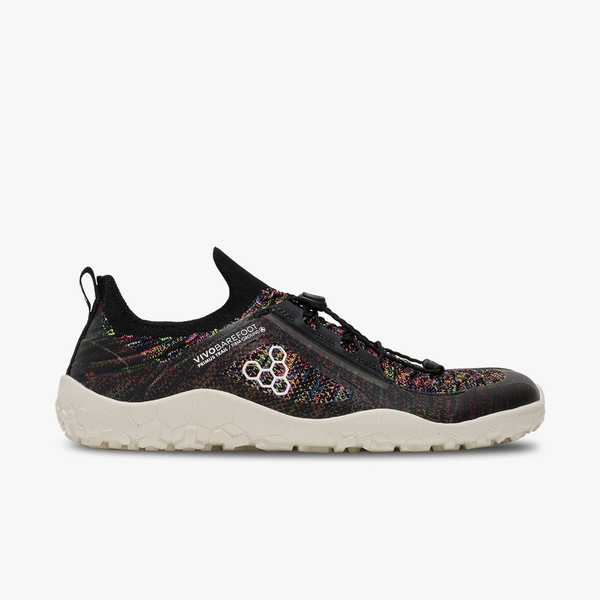 Primus Trail Knit FG Mens£145.00Hiking / Trail Running / Fasthike / Fastpacking / Outdoor LifestyleFor trail runners, ramblers and kindred spirits
 -
-
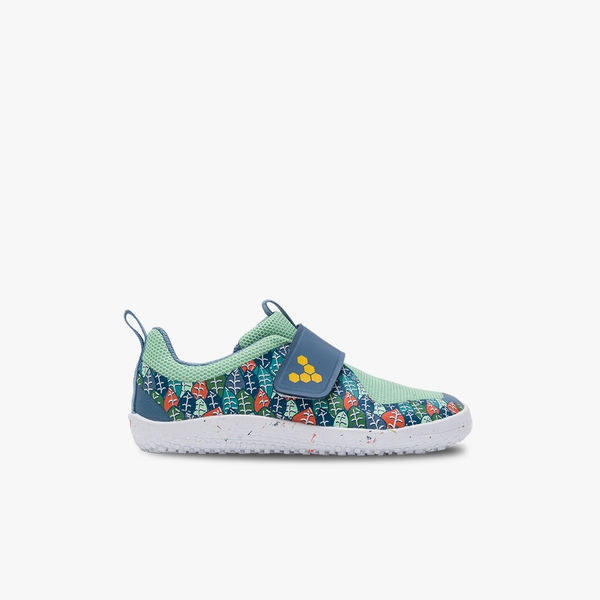 Primus Sport III Kids£70.00Everyday / Tree Climbing / Adventure / Outdoor LifestyleBarefoot, pull-on trainers for active kids
 -
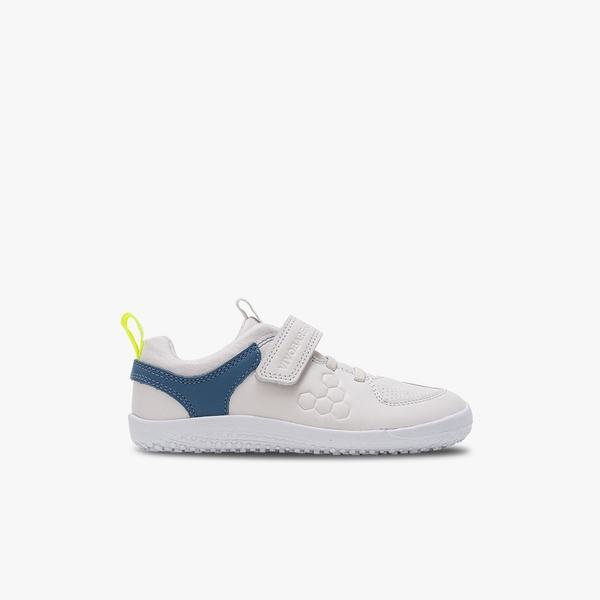 Primus Ludo Kids£75.00Everyday / School / AdventureEveryday kids' shoes for smart, active feet (and brains)
 -
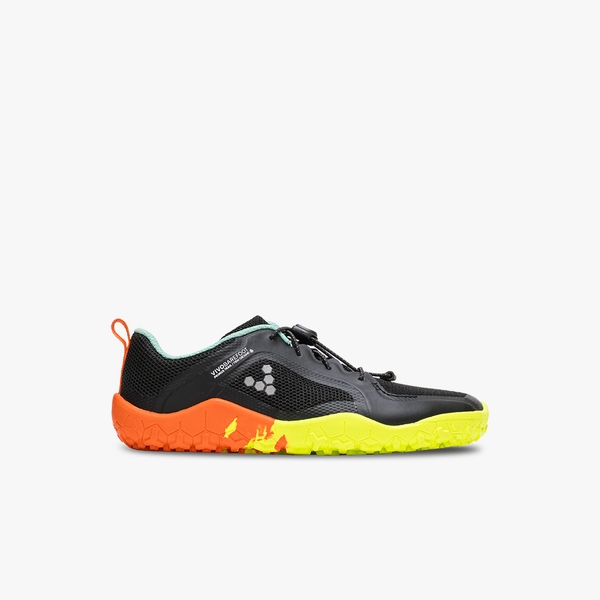 Primus Trail II FG Kids£75.00Everyday / Tree Climbing / Adventure / Outdoor LifestyleTough-wearing, rough terrain outdoor trainers for kids
-
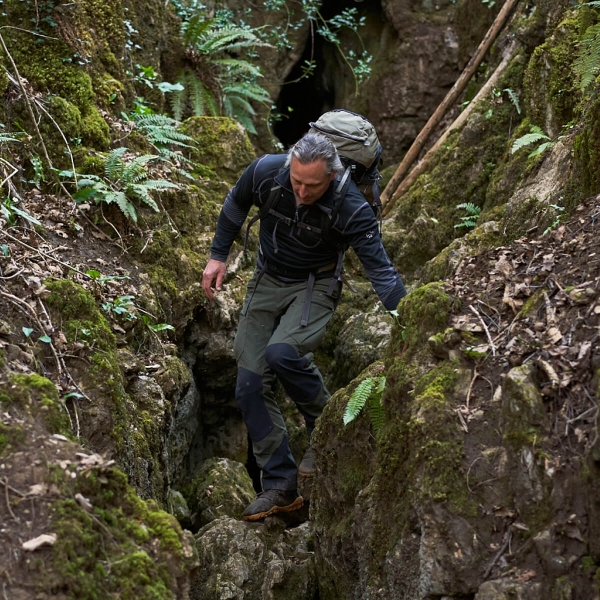 Forest Expedition Skills Course£125.00
This course will equip you with essential skills to unlock truly enriching forest experiences, led by world-class wilderness expert, Ben McNutt.
-
 Jungle Expedition Skills Course£125.00
Learn everything you need to survive and thrive in arguably the world’s most challenging ecosystem. From planning your expedition, to bushcraft, survival skills and beyond.
-
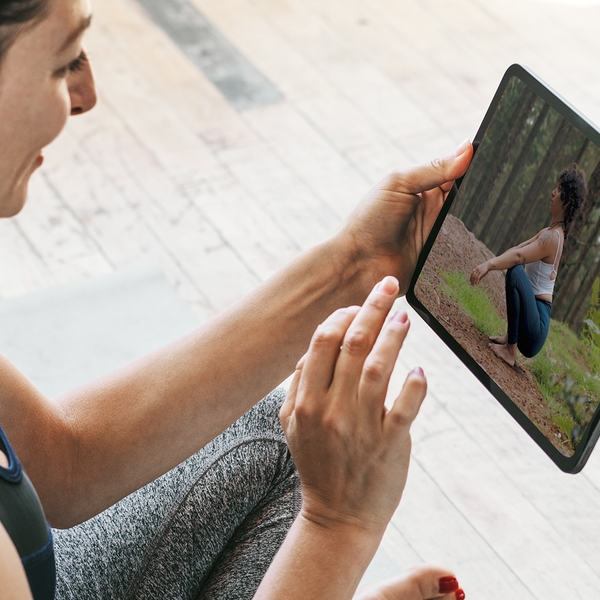 Barefoot Fundamentals Course£36.00
An online course delivering the fundamentals of barefoot movement.

UNLOCK YOUR HUMAN POTENTIAL
Our regenerative report card has dropped. See how we scored.
Get a course worth £160 with every purchase for a limited time only.
UNLOCK YOUR HUMAN POTENTIAL
UNLOCK YOUR HUMAN POTENTIAL
Get a course worth £160 with every purchase for a limited time only.


TRAIL RUNNING COURSE
Enrol to learn all the skills you need to run safely, confidently and to your full potential in the great outdoors.


FOOT ASSESSMENT TOOL
Try VivoHealth’s assessment tool to receive online custom advice for your foot health.
the latest stories
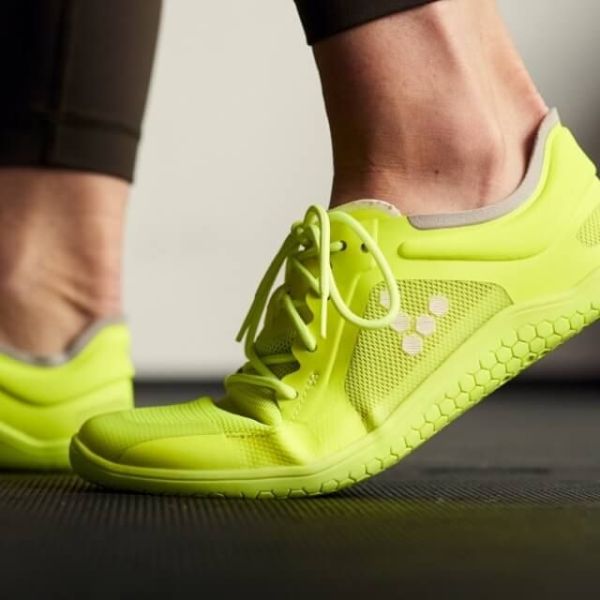
Why You Should Train and Workout in Barefoot Footwear
This blog explains why you should train in barefoot footwear. It discusses how your feet move, how barefoot footwear works and how these things combined will help you train better and healthier.
Recent posts
-
 Behind the scenes of a decade of intensive development
 -
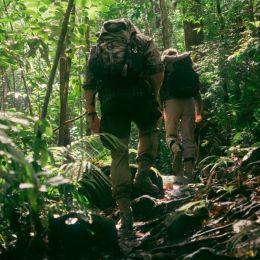 The Greatest story we’ve Never ToldAs we mark the launch of the Jungle ESC, the latest addition to our Ecological Survival Collection, it’s finally time to tell the ESC story in full. In this blog, the first of a series, Vivo Co-Founder and Design Director Asher Clark sets the scene.
 -
 It’s B Corp Month! Here’s why that mattersThis March is B Corp Month. To celebrate, this blog explains why B Corp matters, why our new score is only a small part of the story, and what our B Corp future holds.
 -
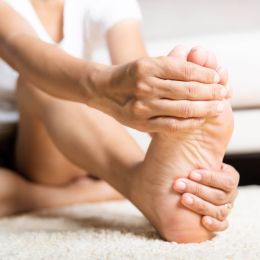 Finding Relief: How Barefoot Shoes and Foot Exercises Can Alleviate Plantar FasciitisThis blog explains what plantar fasciitis is, how barefoot footwear can help with plantar fasciitis, and offers some exercises for alleviating plantar fasciitis.
#VIVObarefoot
we are nature nature is us










Login and Registration Form